


Every business has big goals, but none of them can be reached without the right people working together. Think about it, finding great employees, helping them grow, keeping them motivated, and making sure they feel supported isn’t something that just falls into place. It takes guidance, structure, and strategy. That’s where human resources comes in, acting as the bridge between a company’s vision and the people who bring it to life.
According to the U.S. Bureau of Labor Statistics, human resources managers’ employment is projected to grow 6% between 2023 and 2033, highlighting their growing importance in business strategy and employee relations.
So, what is the purpose of human resources in a business? In this blog, we’ll explore how HR does more than handle paperwork. From hiring and training to fostering a healthy work culture, HR helps a lot in shaping the success and future of every business.
Purposes of Human Resources
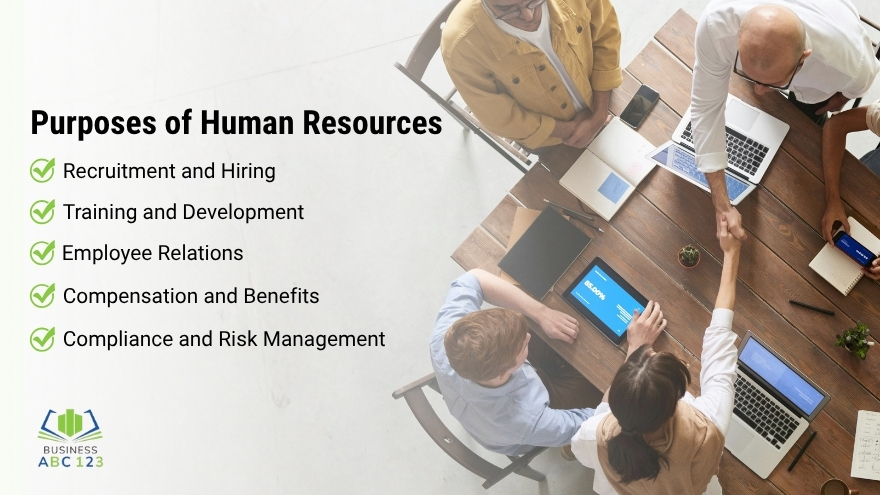
1. Recruitment and Hiring
One of the primary functions of HR is to find the right people for the right roles. HR creates job postings, screens applicants, and works with managers to hire candidates who fit both the job and the company culture. A strong hiring process saves time, reduces turnover, and builds a team that can move the business forward.
2. Training and Development
Hiring is just the first step. HR also focuses on training and development to make sure employees succeed. This includes onboarding for new hires, skill-building workshops, and career growth programs. Training not only improves performance but also boosts employee confidence and loyalty. HR also monitors employee productivity during and after training to ensure that the new skills are being applied effectively.
3. Employee Relations
Another important role of HR is managing employee relations. This means creating a positive workplace, encouraging teamwork, and handling conflicts fairly. By fostering support and clear communication, HR can also help prevent employee burnout. Employees need a safe place to voice concerns, and HR provides that. When people feel supported, they are more likely to stay motivated and committed to the company.
4. Compensation and Benefits
HR also oversees pay and benefits. This goes beyond just salaries; it includes health plans, retirement options, vacation policies, and employee incentives. Fair compensation shows employees that their work is valued, while good benefits help attract and keep top talent.
6. Compliance and Risk Management
Every business must follow labor laws and workplace regulations. HR ensures the company complies with these rules to avoid fines or lawsuits. They handle policies on safety, equal opportunity, and employee rights. By staying on top of compliance, HR reduces risks and protects the company.
How HR Supports Business Growth

Human resources directly supports business growth. For example, if a company wants to increase sales, HR can organize training to improve customer service skills. If a business is expanding, HR can create hiring plans to bring in new talent quickly. Small businesses may have a single HR manager wearing many hats, while larger companies often have entire HR departments with specialized roles. Regardless of size, HR aligns employee performance with the company’s bigger goals, showing clearly the importance of HR in businesses.
Why Human Resources Is Important for Employees
HR isn’t just about helping the business; it’s also about supporting employees. Workers rely on HR for fair treatment, career opportunities, and a safe environment. The benefits of HR management are clear: it provides guidance, resources, and protections that help employees thrive. If someone has an issue with a manager or needs help with benefits, HR is there to guide them. By protecting employees’ rights and giving them resources to grow, HR builds trust across the workplace.
Final Thoughts
The purpose of human resources in a business is much broader than most people realize. HR doesn’t just handle hiring; it shapes workplace culture, supports employees, ensures compliance, and drives business growth. By balancing the needs of both employees and the company, HR plays a key role in long-term success.
FAQs
What does HR do day-to-day?
Day-to-day, HR manages hiring, employee support, payroll, training, and workplace issues. They are often the first point of contact for employees.
Why is HR important in small businesses?
Even small businesses benefit from HR. Having someone who handles hiring, compliance, and employee support helps the business grow without constant setbacks.
How does HR help with employee satisfaction?
HR creates policies that promote fairness and work-life balance. They also resolve conflicts and ensure that employees feel heard and valued.
Can a business run without HR?
A business can operate without a formal HR department, but as it grows, the need for HR becomes clear. Without HR, organizations are more likely to face legal issues, turnover, and low morale.
What are the main objectives of HR?
The main objectives include hiring the right people, training employees, managing pay and benefits, supporting staff, and keeping the business compliant with laws.